How long does a roof last?
A roof’s lifespan depends on the material, installation quality, and ongoing maintenance, but most roofs last between 15 and 60 years.
Average roof lifespan by material:
- Shingle roofs: 20–30 years
- Metal roofs: 40–60 years
- Flat roofs: 15–30 years
What affects how long a roof lasts?
Several factors influence roof longevity, including:
- Installation quality
- Attic ventilation and moisture control
- Weather exposure (storms, heat, debris)
- Drainage and water runoff
- Regular maintenance and timely repairs
How do you know when a roof needs repair or replacement?
- Common signs include:
- Missing, curling, or cracked shingles
- Granule loss or visible wear
- Leaks or water stains inside the home
- Ponding water on flat roofs
- Recurring repair issues
Can a roof last longer with maintenance?
Yes. Regular roof maintenance such as roof inspections, fixing small problems early, and maintaining proper drainage can significantly extend a roof’s lifespan and delay the need for replacement.
A Detailed Guide on How Long a Roof Lasts
A roof’s lifespan depends on more than just its age. Two homes can have roofs installed in the same year and still end up needing repairs or replacement services at different times.
Looking at the quality of the roof’s initial installation, as well as other important factors, will give a better idea of how long a roof will last. For instance, a home’s attic ventilation, storm exposure, and whether or not small issues were handled through targeted roof repairs before those issues spread are all part of the story of a roof’s longevity.
Although there is no one-size-fits-all number, there are still clear indicators that can shape a realistic timeline for how long a roof may last and when it may start showing signs of age.
Expected Roof Lifespan by Material Type
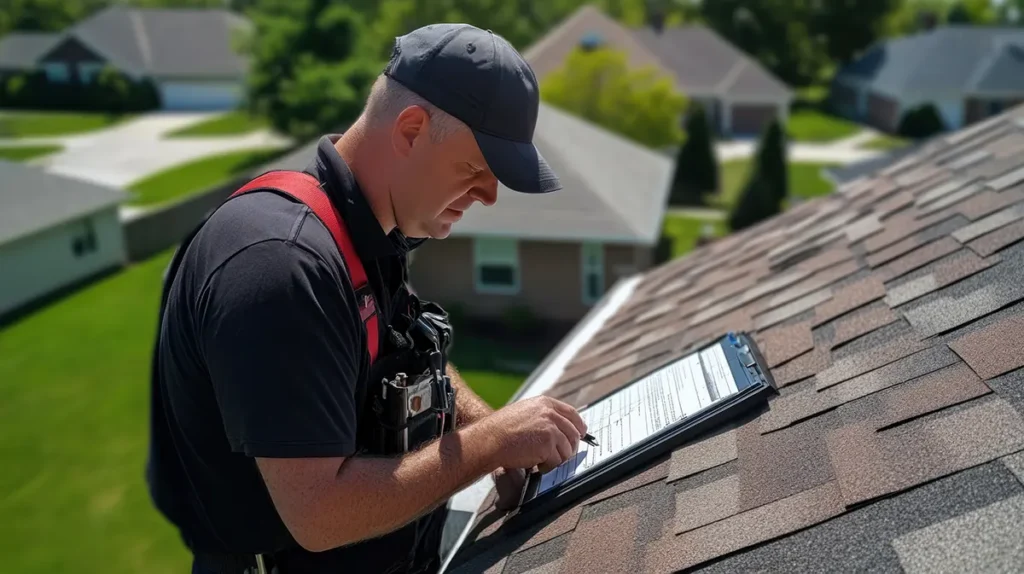
A roof’s materials give homeowners a general starting point, but it does not always determine a roof’s true lifespan on their own. Some roofing systems are built for a longer service life, while other systems tend to last fewer years, especially when inconsistent upkeep starts to affect performance.
Shingles Roofs
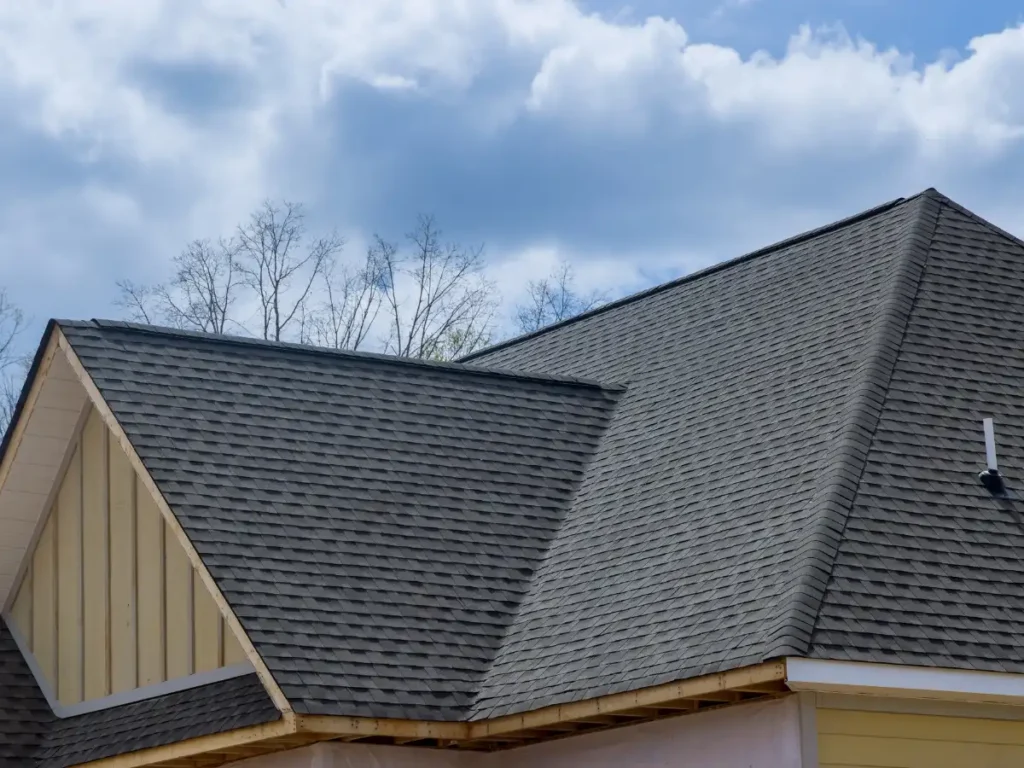
Most shingles roofs are estimated to last between 20 to 30 years, but some wear out sooner, while others hold up longer. The lifespan of a shingles roofing system depends on the material quality, ventilation, and installation techniques used.
As shingles roofs age, signs usually show up gradually in the form of granule loss, curling edges, cracked tabs, or repeated leak issues around vents and flashing.
Metal Roofs
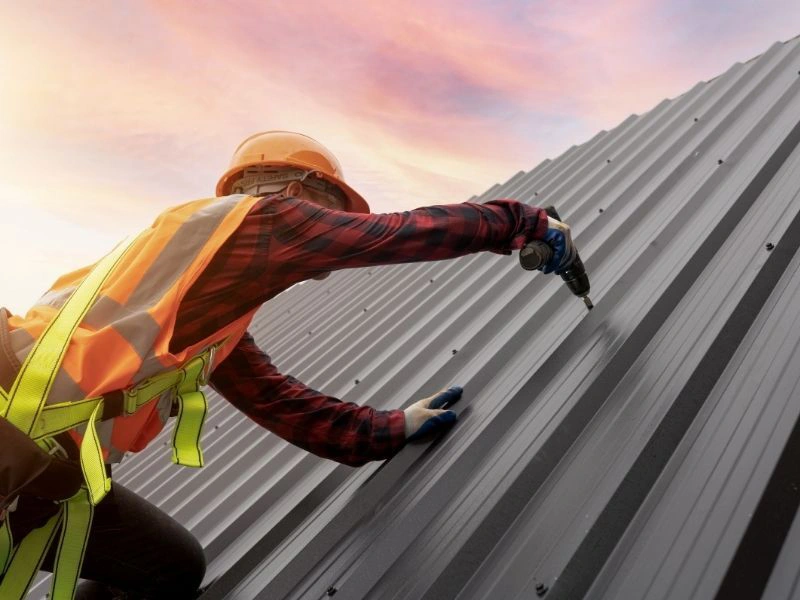
One of the benefits of metal roofing systems is their long service life, with many performing well for anywhere from 40 to 60 years. How long they actually last depends on factors like metal panel type, installation accuracy, and exposure to harsh weather.
Rust, minor shifting, and leaks are some of the first warning signs metal roofs are due for services.
Flat Roofs
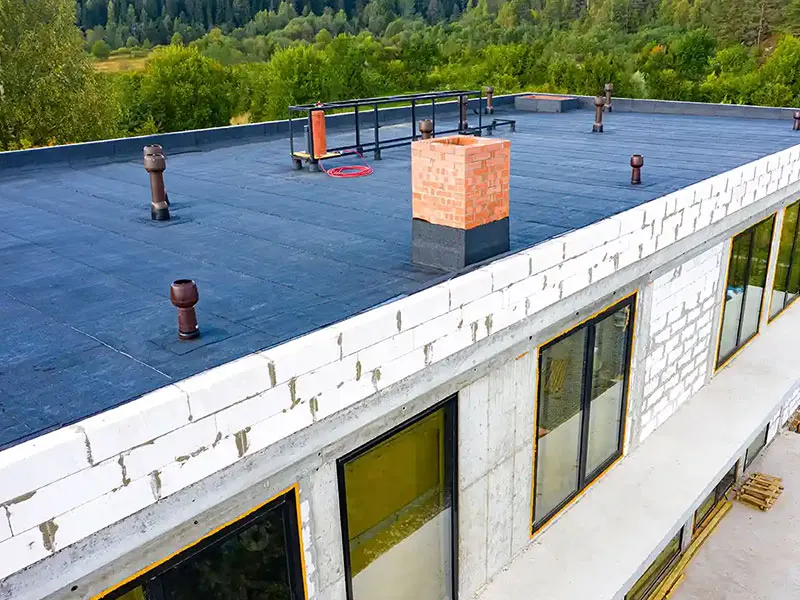
Flat and low-slope roofing systems typically last around 15 to 30 years. How long they actually hold up depends on the membrane type, how well the roof drains, how much foot traffic it gets, and whether the installation was done properly. These roofs usually have less room for error once water starts lingering on the surface or flashing details begin to fail.
Warning signs show up on flat roofs as ponding water, seam separation, blistering, and recurring moisture around penetrations.
What Affects How Long a LifespanRoof Lasts?
Roof lifespan is shaped by everyday conditions, not just the date on the calendar. The way a roof was built and the way it has held up over time will tell a lot about how long a roofing system may protect your home.
Installation Quality
A roof can only perform as well as it was installed. Problems like improper nailing, poorly finished flashing, misaligned roof shingles, or rushed work around vents and other penetrations can shorten its lifespan.
Ventilation and Attic Conditions
Heat and moisture in the attic can shorten a roof’s lifespan. In warmer weather, excess heat can put added strain on roofing materials. In colder months, trapped moisture can lead to condensation, wood damage, and ice dams near the roof edge.
Weather Exposure
Roofs deal with a wide range of conditions over the course of a year. Snow, heavy rain, summer heat, falling debris, and repeated temperature swings can all put stress on roofing materials. A roof on a home with more direct exposure to storms and sun may not hold up the same way as one on a more protected property.
Drainage and Water Movement
Proper drainage plays a major role in how long a roof lasts. When water is slow to run off or begins collecting in problem areas, it can put added stress on shingles, flashing, decking, and low-slope surfaces.
Maintenance and Small Repairs
A roof usually shows signs of trouble before a larger failure happens. Small issues like a loose shingle, separated flashing, or a minor leak can expand into wider damage when they go untreated. That is where timely roof repairs can make a real difference. Catching a problem early may help you avoid more involved and expensive repairs later.
Signs Your Roof May Be Nearing the End of Its Life
Most homeowners do not inspect their roof up close on a regular basis, so the signs usually show up from the ground, inside the attic, or on the ceiling before anyone realizes the roof is in trouble.
When Roof Repairs Make Sense
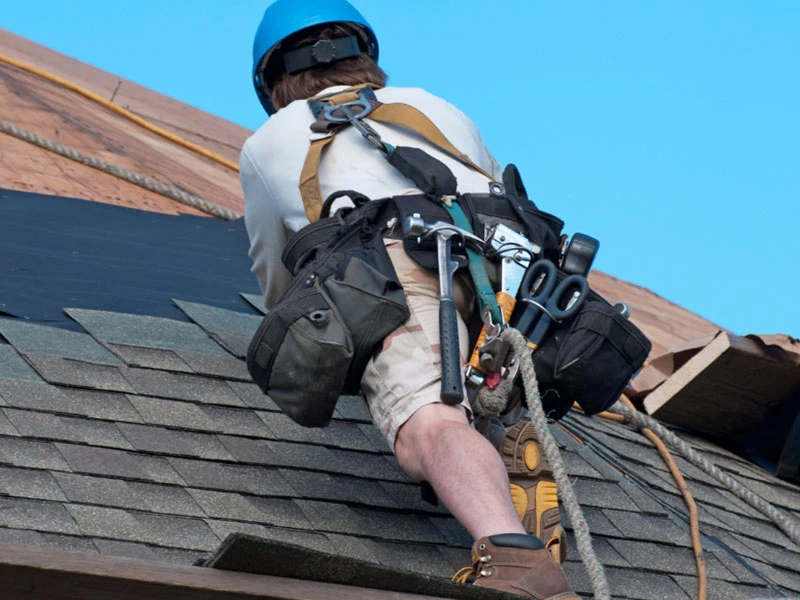
When the damage is limited to one section and the rest of the roof is still in good shape, a targeted roof repair may be the best option. That may involve replacing a few missing shingles, fixing flashing in one area, or correcting a small leak around a penetration. A minor roof repair can often improve its long-term performance.
When a Full Roof Replacement May Be the Better Long-Term Choice
There comes a point when roof repairs stop being the best solution. That usually happens when wear is spread across multiple sections of the roof, leaks keep coming back, shingles have become brittle, or the decking has started to show moisture damage.
When that happens, a full roof replacement is often the better long-term investment. Patching problem areas one by one does not do much if the roof as a whole is reaching the end of its service life.
How to Help Your Roof Last Longer
As a homeowner, you cannot stop a roof from aging, but you can do a lot to keep it from wearing out earlier than it should. The biggest difference usually comes from paying attention before small issues turn into bigger ones.
Keep Up With Roof Inspections
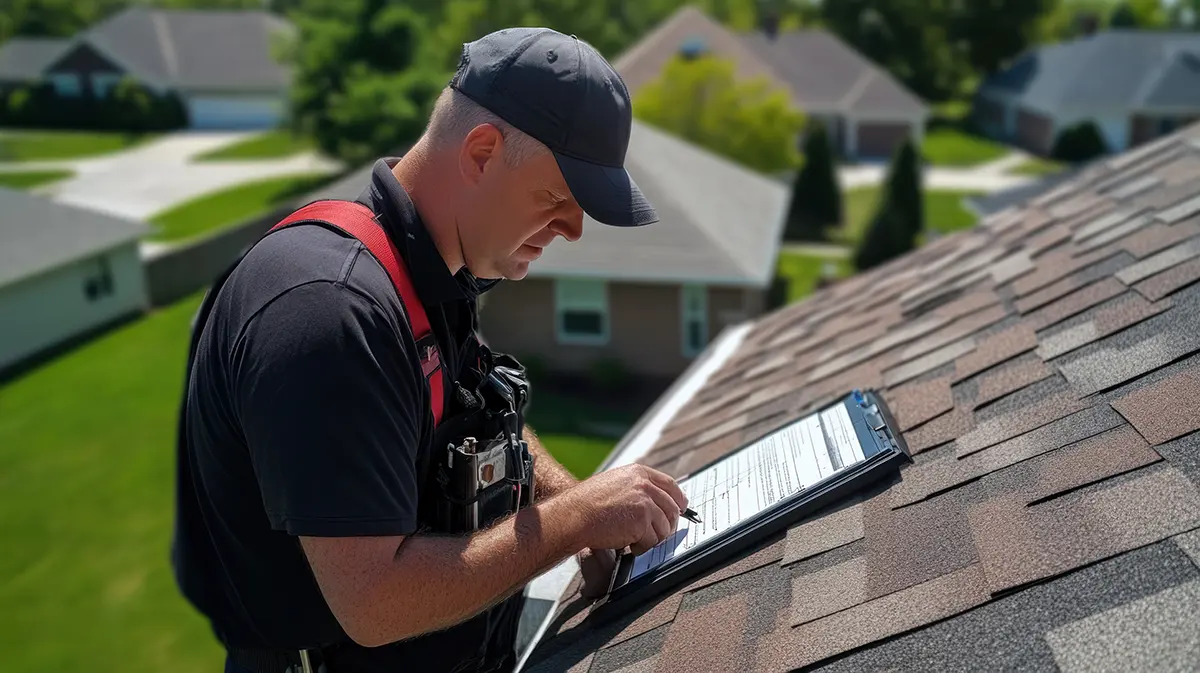
As a roof gets older, regular roof inspections become more important. It makes sense to have your roof checked after a major storm or after you notice signs like interior staining, loose materials, or gutter overflow.
Repair Small Problems Early
Minor roof damage has a way of spreading. Water does not need a large opening to cause trouble; once it gets past the outer roofing material, it can affect decking, insulation, and interior finishes. Taking care of small issues with roof repairs usually gives homeowners more options later down the line.
Check Gutters and Drainage Solutions
Gutters and drainage have a direct effect on how quickly a roof deteriorates. When gutters back up, water can soak the roof’s edges, fascia, and nearby trim. On low-slope roofs, slow water runoff can leave water to sit and pool, adding stress to the roof surface and potentially allowing it to reach underlying decking and other materials you cannot see from the ground.
Do Not Ignore Interior Warning Signs
A roofing issue may first become noticeable inside the home. Water stains on ceilings, damp attic insulation, musty air, peeling paint near upper walls, or new drafts can all be signs that moisture is getting past the roof system.
Those signs do not automatically mean the roof needs to be replaced, but they are usually a reason to have the problem checked before it spreads.
Contact Universal Roofing Solutions for a Free Estimate for Roofing Services
If your roof is getting older, showing signs of wear, or leaving you unsure whether roof repairs or a full roof replacement makes more sense, it helps to have the condition evaluated by a professional team you can trust.
Universal Roofing Solutions provides comprehensive roofing and exterior home services in New Jersey backed by over 20 years of experience. Request a FREE estimate to discuss your roof’s condition and the next step to protect your home.
Call us today at 973-313-5638 or fill out our contact form to get started.