Learn what re-roofing means, when it may be an option, and how it compares to a full roof replacement for your New Jersey home.
What Does Re-Roofing a Home Mean?
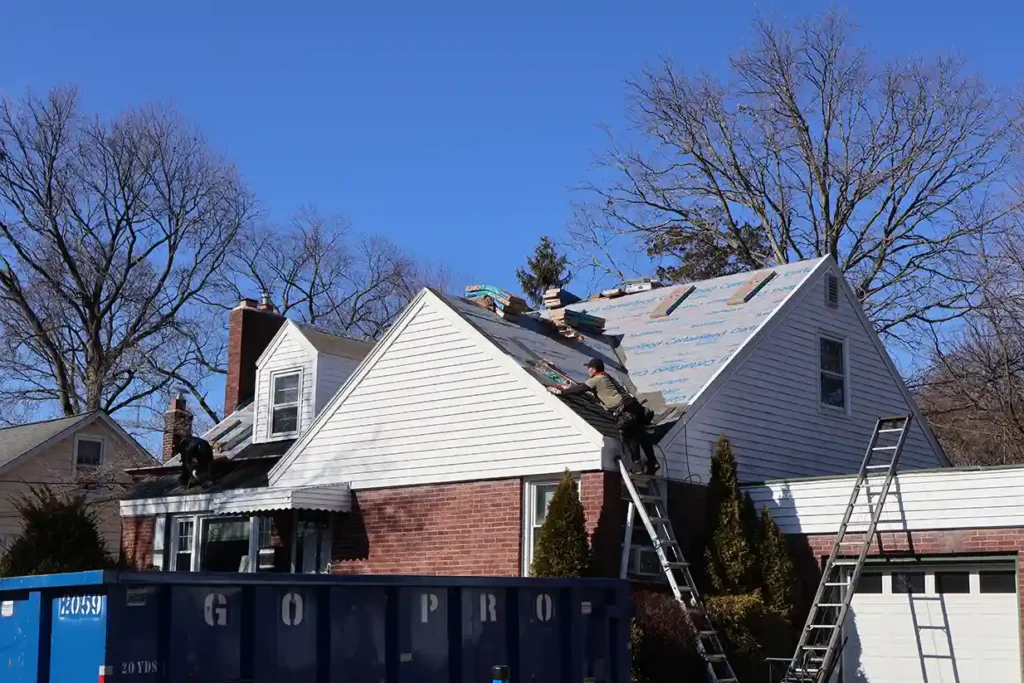
Answer: Re-roofing means installing new roofing materials on an existing roof. In many cases, this refers to adding new roof shingles over one existing layer of shingles. A full roof replacement is different because the old roofing system is removed first, allowing the roof decking, flashing, underlayment, and other components to be inspected before the new roof is installed.
Understanding Re-Roofing vs Full Roof Replacement
Re-roofing and full roof replacement are often used interchangeably to describe similar projects, but they can mean different things. In most cases, re-roofing refers to installing new roofing materials over an existing roof, while a full roof replacement means removing the old roofing system first, and then installing a new one.
If you are considering re-roofing your home, it is important to understand what the process includes, when it makes sense, and when removing the existing roof may be the better long-term option.
What the Re-Roofing Process Involves
Re-roofing starts with confirming whether the existing roof can safely support new roofing materials. The process depends on the roof type, the condition of the current materials, and whether there are signs of water leaks, soft roof decking, poor ventilation, or trapped moisture.
Roof Inspection and Condition Check
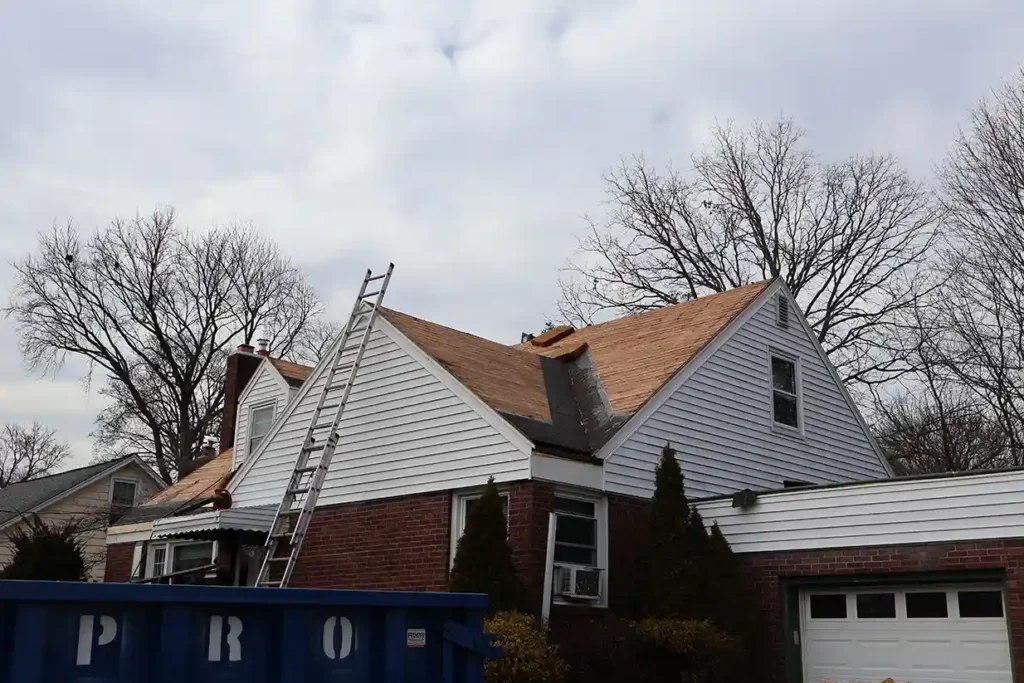
Before any new material is installed, the roof should be inspected closely. During a roof inspection, your roofing contractor will look at the age of the roof, the number of existing layers, the condition of the roof shingles, flashing, ventilation, drainage, and any visible signs of water damage.
Preparing the Existing Roof
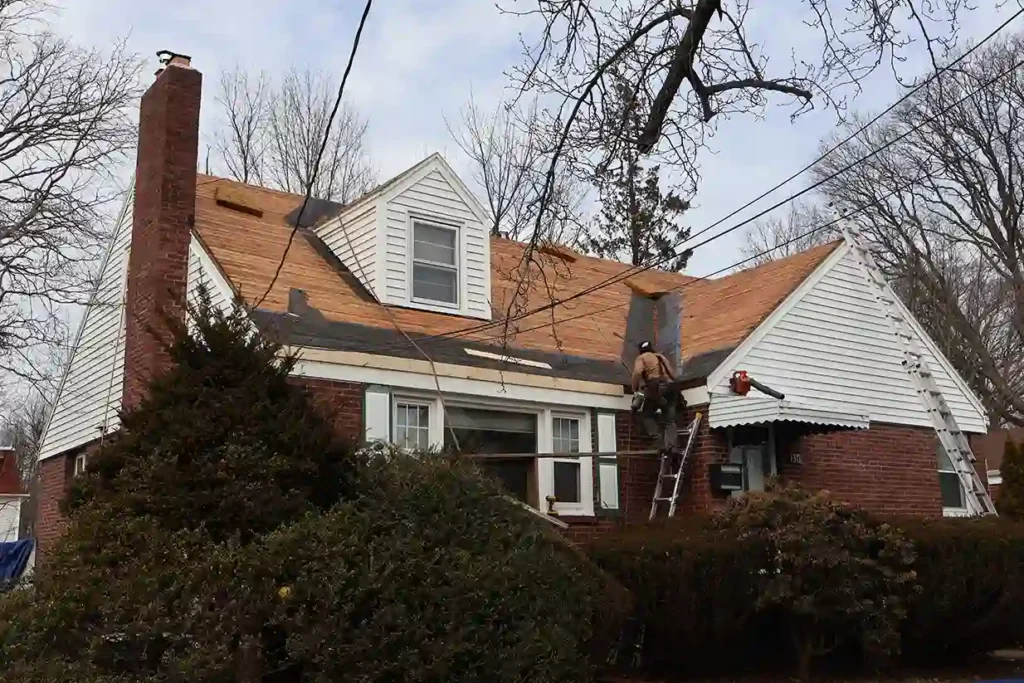
If the roof qualifies for re-roofing, loose or damaged roof shingles may need to be secured or removed. The surface must be flat enough for the new roofing materials to sit properly.
Problem areas around chimneys, vents, skylights, valleys, and roof edges should also be reviewed before the new layer is installed.
Installing New Roofing Materials
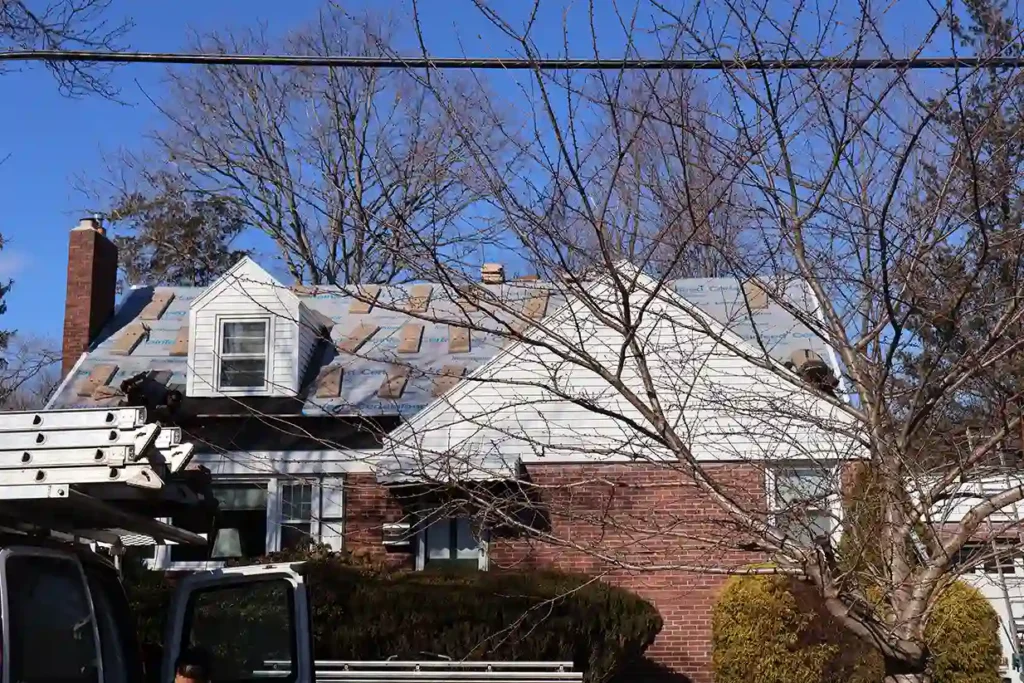
For shingles roofing systems, re-roofing often means installing a new layer of shingles over one existing layer. This can improve the roof’s appearance and add another layer of surface protection. However, because the old roof is not fully removed, your roofer does not get the same clear view of the decking, underlayment, flashing, or older leak paths underneath.
Re-Roofing an Asphalt Shingle Roof
For shingles roofing, re-roofing may be possible when the current roof is still flat, stable, and free from major water damage. The existing shingles stay in place, and new shingles are installed over them. This is usually not recommended if the shingles are badly curled, uneven, missing in large areas, or already covering a previous roof layer.
Re-Roofing a Metal or Flat Roof
Re-roofing can mean something different for metal roofs and flat roofs:
- For metal roofing, the panels, seams, fasteners, underlayment, and roof structure need to be evaluated before deciding whether an overlay or full roof replacement method makes the most sense.
- For flat roofing, the system should be checked for ponding water, drainage issues, membrane damage, seam failure, and moisture trapped below the surface. Because flat roofs do not shed water like steep-slope roofs, hidden moisture is a major reason a full tear-off may be needed.
Final Roof Review
After the new roofing materials are installed, your roofer checks the roof edges, flashing areas, vents, ridges, and valleys for quality assurance. This final review helps confirm that the new layer of roofing materials is properly secured and that vulnerable areas have been addressed.
When a Roof is a Candidate for Re-Roofing
Re-roofing may be an option when the existing roof is worn but still in good structural condition. It is not a shortcut for roofs with leaks, rot, soft decking, or multiple layers.
A roof may be a candidate for re-roofing if:
- There is only one existing layer of roof shingles
- The shingles are aging but not badly curled, cracked, or uneven
- The roof decking is solid
- There are no active leaks
- Flashing and ventilation are in good condition
- The home can safely support the added roofing weight
A professional roof inspection is the best way to confirm whether re-roofing is a realistic option or if targeted roof repairs or a full roof replacement is the better, more economical choice for your home.
When Full Roof Replacement Is the Better Choice
Full roof replacement is usually the better choice when your existing roof has damage below the surface. Installing new materials over a damaged roof can hide problems instead of solving them.
At Universal Roofing Solutions, we often recommend a full roof replacement when a roof has:
- Two or more existing layers
- Recurring leaks
- Recurring leaks
- Sagging areas
- Missing or damaged shingles
- Loose or failing flashing
- Heavy moss or moisture damage
- Storm damage across multiple sections
Schedule a Free Estimate for a Full Roof Replacement Today
Universal Roofing Solutions helps homeowners understand whether re-roofing, roof repair, or full roof replacement is the right next step for their home. Our team can inspect your existing roof, explain what is happening beneath the surface, and help you compare materials, colors, and installation options based on your home’s needs.
Schedule a FREE estimate today by calling [phone] or filling out our online contact form.