Do I Need a New Roof?
Answer: You may need a new roof if you are seeing recurring roof leaks, missing or curled roof shingles, heavy granule loss, sagging roof areas, ceiling stains, attic moisture, or signs that your roof is near the end of its expected lifespan. Some problems can be fixed with roof repairs, but widespread or repeated damage may require a full roof replacement.
Warning Signs You May Need a New Roof
A roof is not something homeowners check on every day, so it makes sense that many roofing problems go undetected until a leak, stain, missing roof shingle, or musty attic smell makes the issue hard to ignore.
Some roof issues can be handled with professional roof repairs, especially when the damage is limited to one area. When the same problems keep coming back, or when the roof is showing signs of wear across large sections, it may be time to consider a full roof replacement.
The warning signs below can help you know when to schedule a roof inspection and get a clear answer before the roof damage spreads and becomes more expensive to fix.
Recurring Roof Leaks
A single roof leak does not always mean the whole roof needs to be replaced. Sometimes the issue is a cracked pipe boot, lifted roof shingle, loose flashing, or one small area where rain got in due to high winds. Recurring roof leaks, however, are a different story. If the same leak keeps coming back, or water is showing up in more than one part of the home, your roof may be failing in several places.
Watch for stains after rain, damp attic insulation, or water marks near chimneys, skylights, vents, valleys, and roof edges. A targeted roof repair may be enough to fix the problem when the leak is isolated, but if leaks keep returning or the roof is near the end of its lifespan, a full roof replacement may be the better solution.
Missing, Curled, or Cracked Roof Shingles
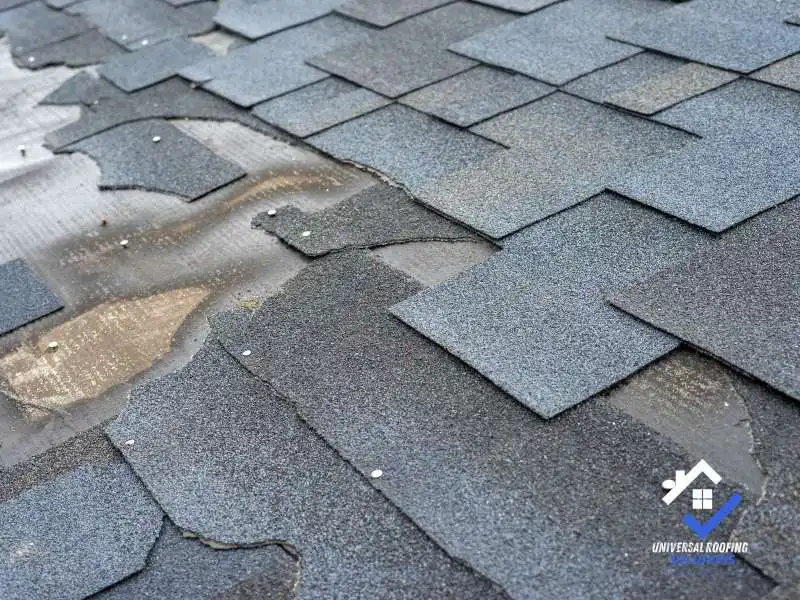
Roof shingles should sit flat and move water down and off the roof. When they are missing, curled, cracked, buckled, or lifting at the edges, your roof is no longer shedding water the way it should.
From the ground, you may notice bare patches, uneven shingle lines, raised corners, or pieces of shingles in the yard after a storm. A few damaged shingles may be handled with roof repair, but if the damage is spread across large sections of the roof, a full roof replacement may make more sense.
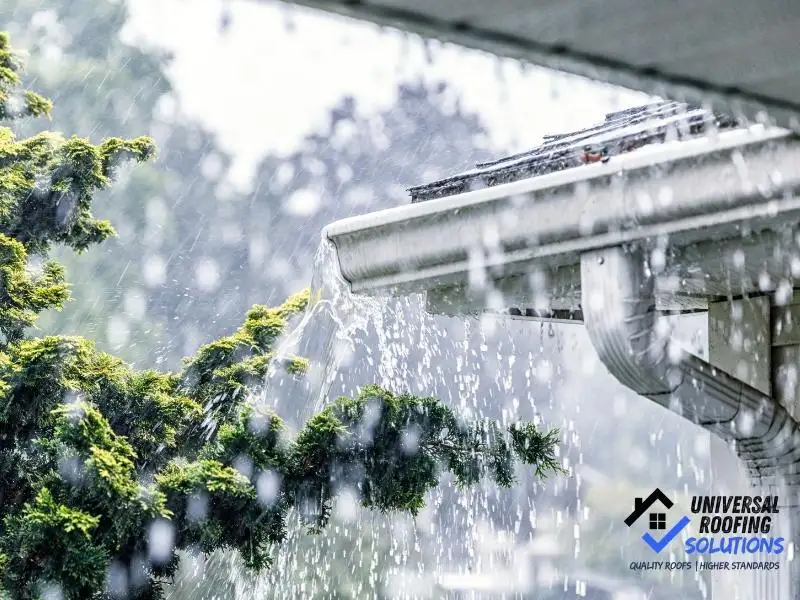
Granules in Gutters or Around Downspouts
Asphalt roofing shingles are covered with granules that help protect the roof from the sun, heat, rain, and daily weather exposure. Some granule loss is normal over time, especially after storms, but heavy granule loss is more concerning. You may see coarse, sand-like material in the gutters, at the bottom of downspouts, or on the ground near your home.
Once roof shingles lose too many granules, they become more exposed to UV damage and temperature changes. That can lead to brittleness, cracking, and future leaks.
Your Roof Is Near the End of Its Expected Lifespan
The expected lifespan of shingles roofing systems is around 20 to 30 years, but that timeline can change based on weather exposure, ventilation, installation quality, and maintenance. A roof that has reached this age range should be watched closely, even if it is not actively leaking yet or showing signs of wear yet.
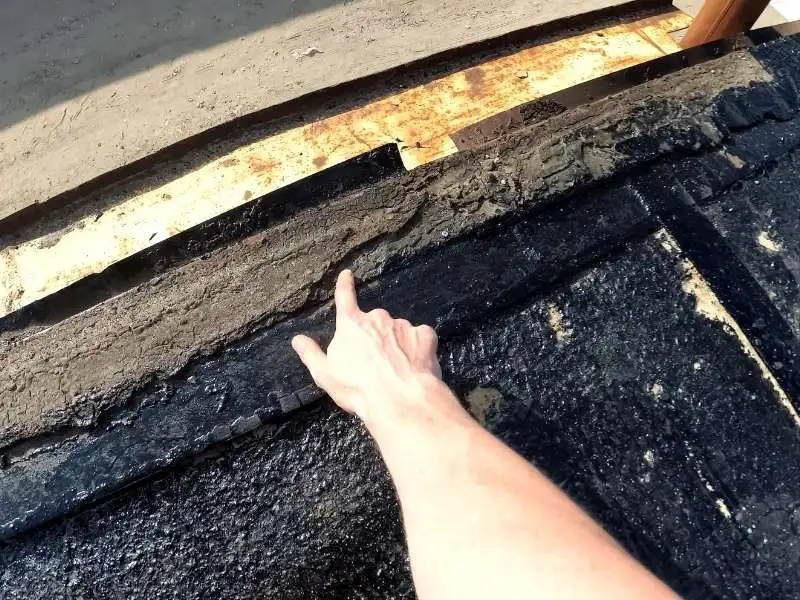
Sagging or Uneven Roof Areas
A roof line should look straight and solid. If you notice sagging, dipping, waves, soft-looking sections, or low spots between roof planes, the roof should be checked with a professional roof inspection as soon as possible.
Sagging can point to moisture-damaged roof decking, trapped water, structural movement, too many old roofing layers, or long-term stress on the entire system. An experienced roofing contractor should inspect the roof, including its surface, attic, decking, and surrounding structures, to find the cause of damage.
If the roof damage is limited to one area, a roof repair may be an option. If roof sagging is tied to larger issues like rotting wood, repeated leaks, or broader structural concerns, a full roof replacement is likely the better option for long-term home protection.
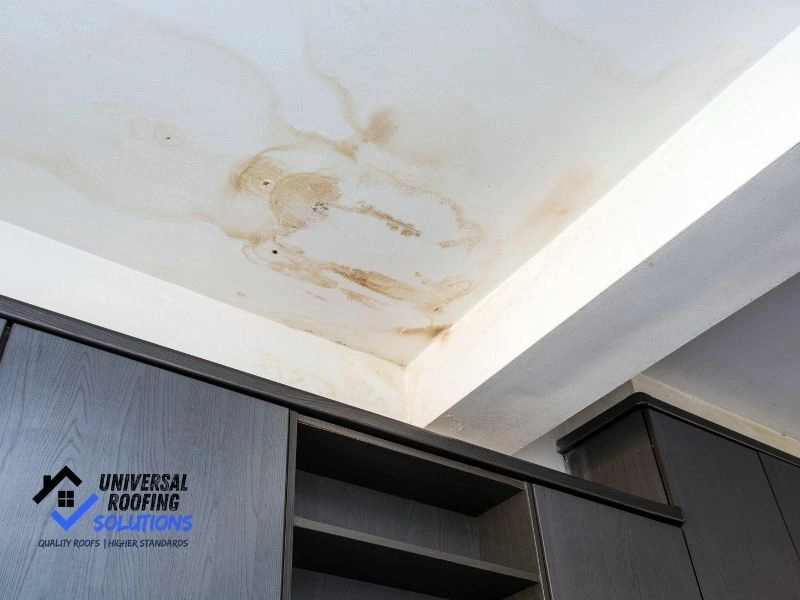
Water Stains on Ceilings or Walls
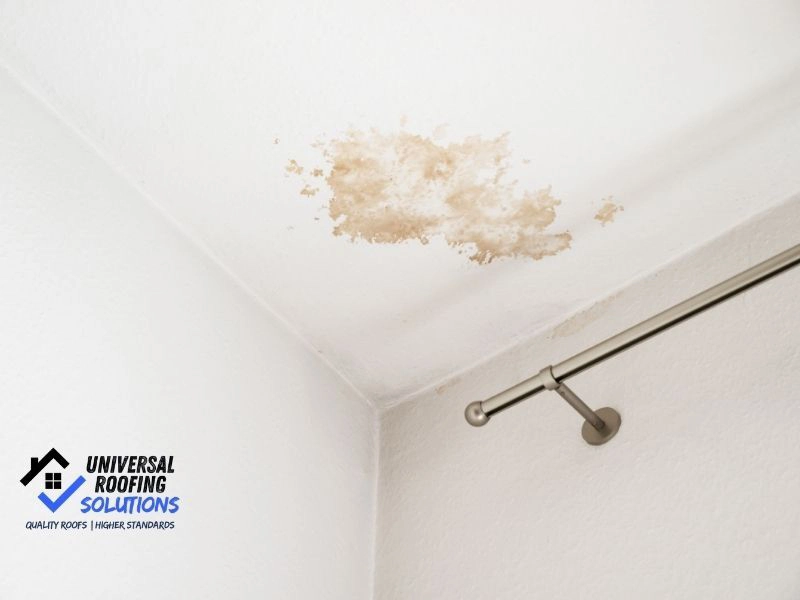
A brown ceiling stain is one of the most common signs homeowners first notice when roof issues arise. Another telling sign of a roof leak is finding interior areas of peeling paint, bubbling drywall, soft spots, or discoloration.
Stain do not always appear directly under the leak; water will usually travel along rafters, insulation, pipes, or framing before it reaches the ceiling and becomes noticable. That means the visible stain may be several feet away from the actual roof problem, and should be inspected by a professional roofer to find its source before any repairs are done.
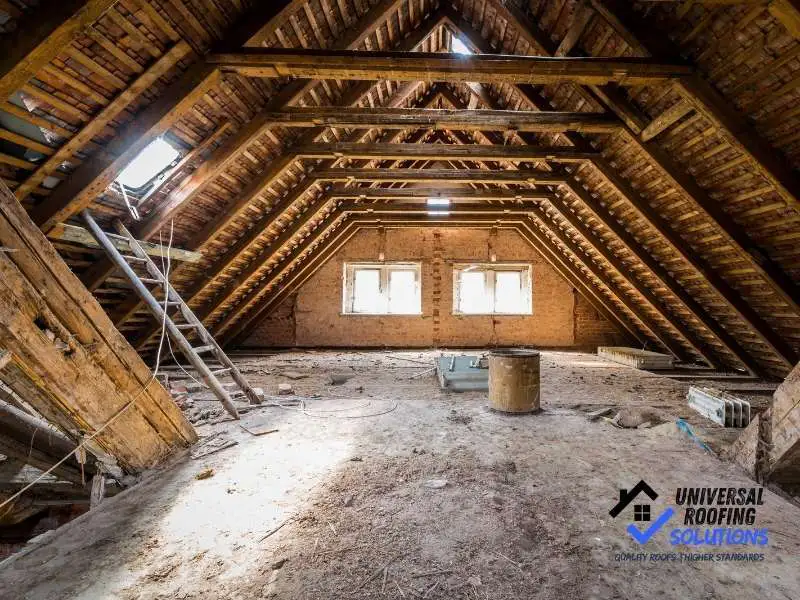
Mold, Mildew, or Musty Attic Odors
A musty attic smell usually points to moisture being trapped somewhere. That moisture may come from a roof leak, poor ventilation, damaged decking, or a mix of issues. In your attic space, look for damp insulation, dark staining on roof boards, mildew on rafters, or a stale odor that gets worse after it rains.
Not every home with attic moisture needs to have its roof replaced. Sometimes a targeted roof repair can solve the problem. However, if there is active leaking, rotted decking, old underlayment, or moisture in several areas, a full roof replacement may be the more reliable solution.
Schedule a Free Estimate with Universal Roofing Solutions
Universal Roofing Solutions helps homeowners understand whether their roof needs targeted repairs or the damage is too severe, making a full roof replacement the better option. If your roof is leaking, aging, missing roof shingles, or showing other signs of wear, do not wait for the damage to spread.
Schedule a FREE estimate for professional roofing services in North Jersey by calling us at 973-908-0242 or filling out our contact form to get started.